Most consultants know they should be using a CRM.
It’s often one of the first systems people try to put in place as their business grows.
Something to track:
- prospects
- opportunities
- client relationships
On paper, it makes sense.
But in practice, many consultants either:
- stop using it
- use it inconsistently
- or feel like it never quite reflects how their business actually works
The problem isn’t the tool
CRMs are not inherently flawed.
They work well for the businesses they were designed for.
Typically:
- sales teams
- single-company pipelines
- clearly defined stages
- straightforward relationships
In those environments, a CRM is effective.
But consultancy work is different.
Consultancy work isn’t a single pipeline
Most CRMs assume:
👉 one pipeline
👉 one set of relationships
👉 one direction of movement
That’s not how consultancy businesses operate.
You’re often managing:
- your own prospects
- multiple consultancy clients
- their end clients
- ongoing delivery and new opportunities at the same time
It’s layered rather than linear.
Relationships are more complex
In a typical consultancy setup, you might be working with:
- a client organisation
- multiple stakeholders within that organisation
- additional third parties
- internal team members
All connected in different ways.
A standard CRM treats relationships as simple and separate.
In reality:
👉 they are interconnected and constantly evolving
Delivery and pipeline overlap
In many businesses, sales and delivery are separate.
In consultancy, they are often intertwined.
You might be:
- delivering work for a client
- identifying new opportunities within that same client
- having conversations that lead to future projects
All at the same time.
Most CRMs separate:
👉 “pipeline” from “delivery”
But in consultancy, they need to be seen together.
Actions don’t live in the CRM
Even when a CRM is used, most of the real work still sits elsewhere:
- meeting notes
- inboxes
- documents
- personal task lists
The CRM might show:
👉 an opportunity exists
But it doesn’t show:
- what was discussed
- what actions came out of the meeting
- what needs to happen next
So it becomes:
👉 a record of activity, not a tool for follow-through
This is why CRMs often get abandoned
Over time, a few things happen:
- updating the CRM feels like extra work
- it doesn’t reflect reality accurately
- people stop trusting the data
- usage drops
Eventually, it becomes something that exists:
👉 but isn’t relied on
What consultants actually need
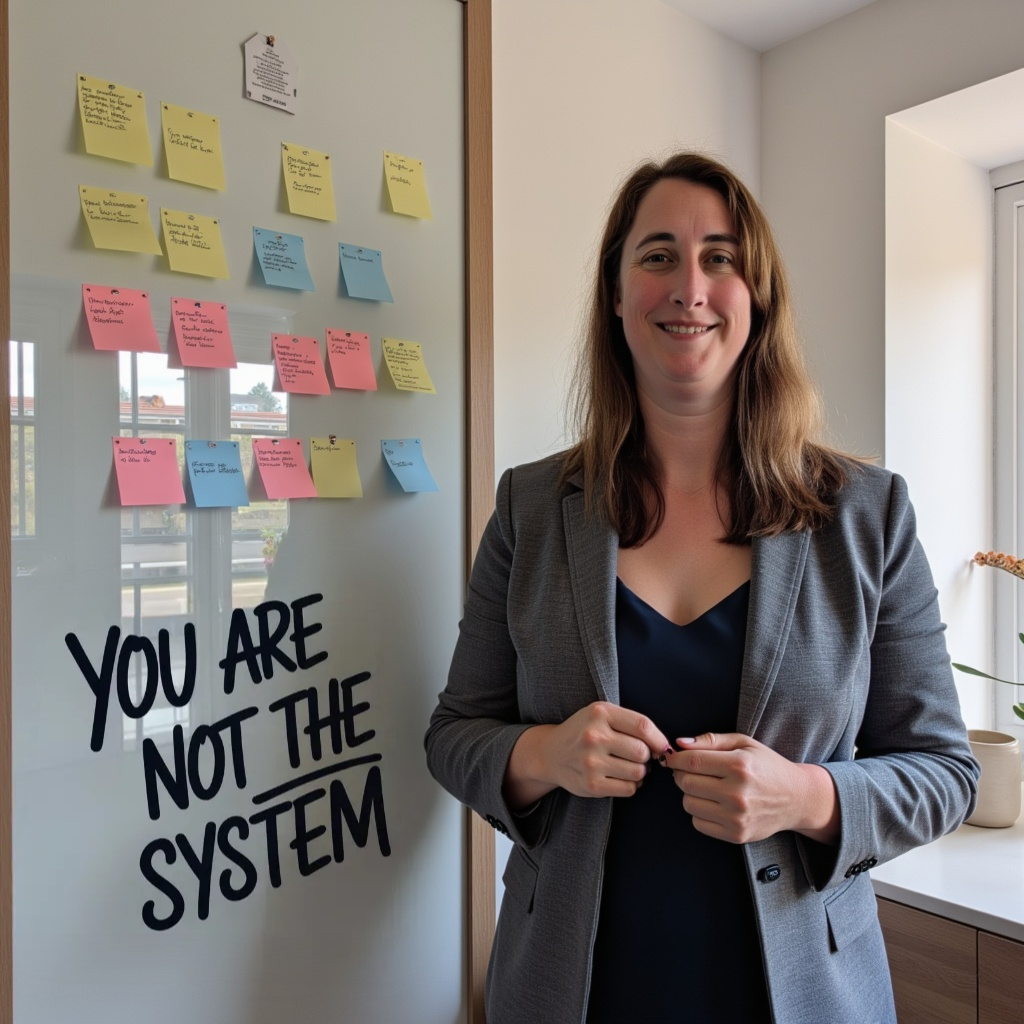
The issue isn’t that consultants don’t need structure.
It’s that they need a different type of structure.
One that connects:
- conversations
- actions
- opportunities
- relationships
- risks
In a way that reflects how their work actually happens.
What a more useful system looks like
Instead of treating pipeline as separate, a more useful system:
1. Connects meetings to actions
Every meeting leads to:
- defined actions
- clear next steps
- visible follow-up
Not just notes.
2. Links actions to opportunities
Actions are not isolated tasks.
They are tied to:
- clients
- projects
- opportunities
So progress is always visible.
3. Brings pipeline and delivery together
Instead of separating:
- sales
- delivery
The system shows both in one place.
Because in consultancy, they are connected.
4. Makes relationships visible
Not just companies and contacts, but:
- who is involved
- how they are connected
- where influence sits
5. Highlights risks early
A useful system makes it easy to see:
- what is stalled
- what is delayed
- where follow-up is missing
Before it becomes a problem.
The shift consultants need to make
Most people approach this as:
👉 “I need a better CRM”
But the real need is:
👉 “I need a better way to organise how my consultancy operates”
That’s a different problem.
Final thought
CRMs aren’t wrong.
They’re just not designed for the complexity of consultancy work.
If your current system doesn’t reflect how you actually manage:
- clients
- conversations
- actions
- opportunities
Then it will always feel like extra work rather than something useful.
Because it’s not aligned with how you operate.
If you’ve tried using a CRM and it hasn’t quite worked, or you’re currently managing everything across notes, inboxes and memory, that’s exactly where I help.