Most follow-ups don’t get missed because people forget.
They get missed because there’s no clear structure for managing them.
In consultancy work, this happens more often than most people realise.
It rarely feels like a problem at the time
After a meeting, things usually feel clear.
- Actions have been discussed
- Next steps have been agreed
- Everyone knows what needs to happen
There’s a sense of momentum.
But then the meeting ends.
And what happens next is far less structured.
Where follow-ups actually sit
In most consultancy environments, follow-ups end up spread across:
- meeting notes
- inboxes
- personal to-do lists
- calendar reminders
- conversations in Slack or Teams
Each of these works individually.
But together, they create fragmentation.
There is no single place where everything is visible.
Why this becomes a problem
When follow-ups are scattered, a few things start to happen
1. Actions lose context
An action written in isolation often loses the reasoning behind it.
For example:
“Follow up with client”
But:
- Why?
- About what?
- What outcome is expected?
Without context, actions become harder to prioritise and easier to delay.
2. Ownership becomes unclear
Even when actions are captured, ownership is often assumed rather than defined.
- “We’ll pick that up”
- “Let’s follow up on this”
Without a clear owner, things drift.
3. There is no clear timeline
Follow-ups are rarely tied to specific timeframes.
Without a deadline, urgency disappears.
So even important actions can sit untouched.
4. Visibility is lost
Once the meeting ends, there is no single view of:
- what is outstanding
- what is in progress
- what is at risk
Which makes it difficult to stay on top of everything.
5. Small delays compound
One missed follow-up doesn’t feel like a problem.
But over time:
- opportunities stall
- client momentum slows
- risks go unnoticed
And things that should have been simple become more complex to fix.
Why this is more common in consultancy work
Consultants are rarely managing one set of relationships.
They are working across:
- multiple clients
- multiple projects
- multiple stages of delivery
- ongoing opportunities
Each with their own:
- meetings
- follow-ups
- actions
This creates a level of complexity that basic tracking methods don’t handle well.
What good follow-up actually looks like
Effective follow-up isn’t about remembering more.
It’s about structuring things properly.
1. Actions are clearly defined
Each action should be:
- specific
- detailed enough to understand without context
- tied to a clear outcome
2. Ownership is explicit
Every action should have:
👉 one named owner
This removes ambiguity and ensures accountability.
3. Deadlines are visible
Even if they are flexible, actions should have:
👉 a clear timeframe
This keeps momentum moving.
4. Everything is tracked in one place
Follow-ups should not live across multiple systems.
They should sit within:
👉 a single, structured view of work
So it’s easy to see:
- what needs attention
- what is overdue
- what is at risk
5. Actions are connected to conversations
Follow-ups should not exist in isolation.
They should be linked back to:
- the meeting
- the discussion
- the decision
So the full context is always clear.
The change most consultants need to make
Most follow-up systems rely on:
👉 memory, inboxes and personal organisation
But this breaks down as complexity increases.
The shift is to move from:
Remembering and reacting
to:
Structuring and tracking
Where this usually breaks down
Even when people understand what good looks like, it doesn’t always happen.
Because someone still needs to:
- capture the actions
- structure them properly
- organise them
- keep them updated
And this takes time.
So it’s often:
- rushed
- inconsistent
- or skipped entirely
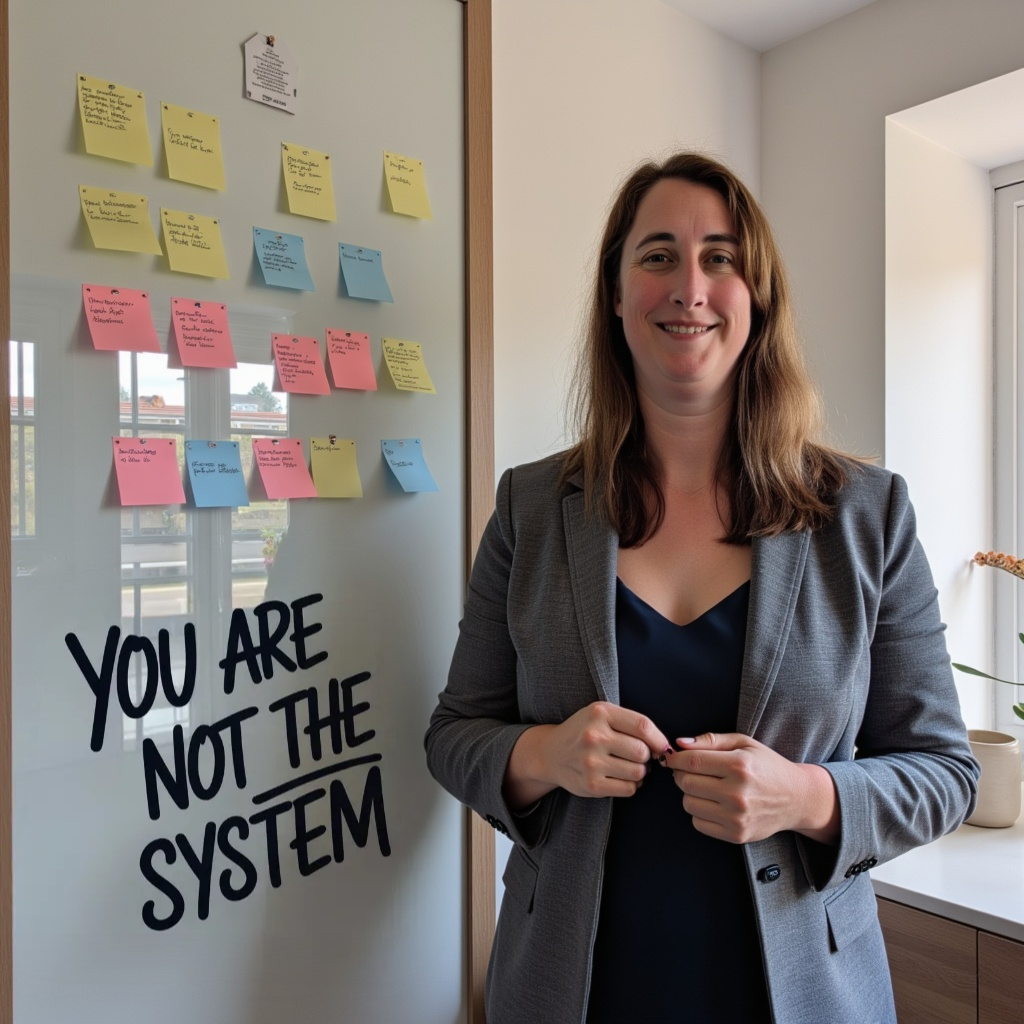
I’ve developed The Consultancy Operating System specifically for this so we can ensure nothing ever gets missed.
The impact of getting this right
When follow-ups are structured and visible:
- actions are completed more consistently
- clients see progress more clearly
- opportunities move forward faster
- risks are identified earlier
And most importantly:
👉 nothing gets lost between meetings
Final thought
Missed follow-ups are rarely caused by lack of effort.
They’re caused by lack of structure.
If you want better outcomes from your meetings, the focus shouldn’t just be on what’s discussed.
It should be on:
👉 how follow-ups are captured
👉 how they are structured
👉 how they are tracked
Because that’s what determines whether anything actually happens next.
If you’re managing multiple clients and finding that follow-ups are slipping between meetings, that’s exactly where I help.